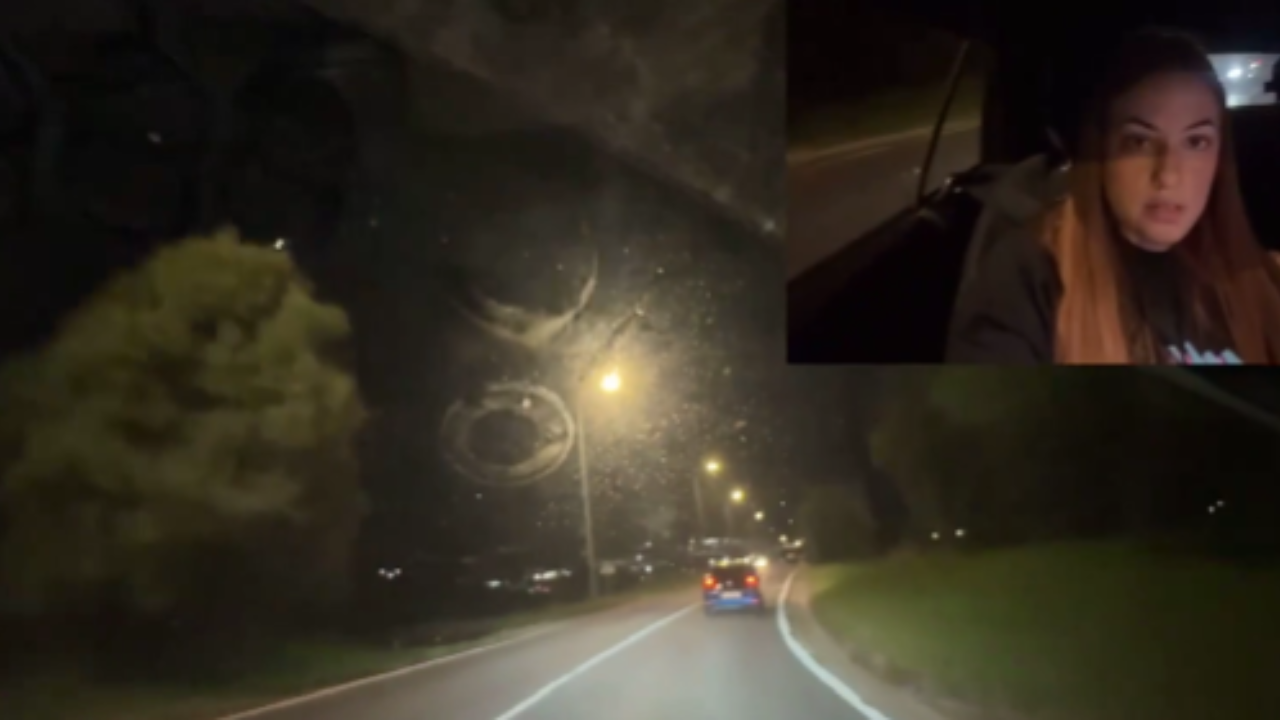
The obsession with keeping chat entertained has officially crossed a terrifying line. Portuguese Twitch streamer Beatriz Nogueira, known online as BeatrizNGR, learned this the hard way when her broadcast abruptly turned into a live-streamed head-on car collision.
If you have spent any time watching "IRL" or in-real-life streams, you already know the format. Streamers mount a camera, prop up their phones, and chat with viewers while navigating city streets. It blurs the line between content creation and everyday life. But when you are staring down at a phone screen instead of watching the asphalt, physics tends to intervene very quickly.
The Anatomy of a Live-Streamed Crash
The footage captured during BeatrizNGR's broadcast in Loures, Portugal, spans roughly eleven minutes of escalating anxiety for anyone watching. Viewers didn't just witness a sudden accident; they watched minutes of erratic driving, aggressive lane changes, and repeated glances at her phone while moving at speed.
Driving a vehicle requires split-second cognitive focus. Adding an active chat room, a live video feed, and verbal interaction creates a cocktail of cognitive overload. As she navigated toward a bend while distracted by her device, her car drifted straight into the opposing lane, resulting in a violent frontal impact with another vehicle.
The audio cut out shortly after the airbags deployed and panic set in. While initial reports from local authorities via outlets like the Polícia de Segurança Pública (PSP) confirmed that miraculously no severe injuries were recorded for anyone involved, the fallout online was instantaneous.
Twitch Drops the Hammer
Platforms are notoriously slow to react until public pressure boils over. Following the crash, Twitch moved swiftly to suspend BeatrizNGR's channel. According to platform tracking metrics, this wasn't her first brush with discipline, but the severity of a live-streamed motor vehicle collision forced an immediate response.
Twitch's community guidelines explicitly prohibit dangerous and reckless behavior, including operating a vehicle while distracted by chat interaction. Yet, enforcement has historically been reactive rather than proactive. High-profile creators like ExtraEmily previously faced temporary bans after similar distracted driving incidents caught the attention of safety advocates and viewers.
Critics across social media platforms like Reddit and X have questioned why platforms don't issue permanent bans for behavior that puts innocent bystanders at direct risk. When a creator treats public roads as a studio set, the danger extends far beyond their own community.
The Broader Culture of Attention Economies
Why do creators keep doing it? The answer lies in the architecture of modern attention economies. Livestreaming rewards continuous engagement. Silence or looking away from the camera for more than a few seconds can trigger a dip in viewer retention. Streamers feel an invisible pressure to perform constantly, turning mundane tasks like driving into high-stakes content delivery vehicles.
This isn't an isolated issue tied to one creator. It highlights a systemic blind spot in how mobile streaming tools are utilized. When anyone can broadcast high-definition video from a handheld device while operating heavy machinery, public safety becomes secondary to viewer count.
Local police divisions in Loures launched an inquiry into the specifics of the collision to establish accountability. Legal consequences for reckless driving can be severe, independent of whatever digital bans a streaming platform decides to hand down.
Content creation is not an excuse to gamble with human lives. Until platforms enforce absolute zero-tolerance policies on mobile device usage behind the wheel, incidents like this will keep happening. Put the phone down, turn off the chat, and drive.