Most people think extinction is a one-way street. Once an organism vanishes from our sight, scientists usually write an obituary, file the paperwork, and move on to the next crisis. But nature doesn't always follow human bureaucracy.
A tiny insect last documented in 1983 has just shown up alive in Delaware and Virginia.
If you assume this is just a cute feel-good wildlife story, you're missing the bigger picture. This rediscovery blows a massive hole in how conservation biologists evaluate rare species and proves that our maps of biodiversity are severely outdated. Let's break down why this amber-flashing beetle matters and what it tells us about the hidden corners of our environment.
The Ghost of 1983
Back in the early 1980s, entomologists noted the steady decline of specialized wetland insects. Habitats were fragmenting, pesticides were washing into watersheds, and urbanization was swallowing up vital ecosystems. Among the casualties was a specific firefly species known for its distinct amber flash pattern. Decades ticked by without a single confirmed sighting. Researchers combed through old field notes, checked museum drawers, and eventually accepted that the species was likely gone for good.
Then came a breakthrough driven by sharp-eyed observers who knew what to look for in the dark.
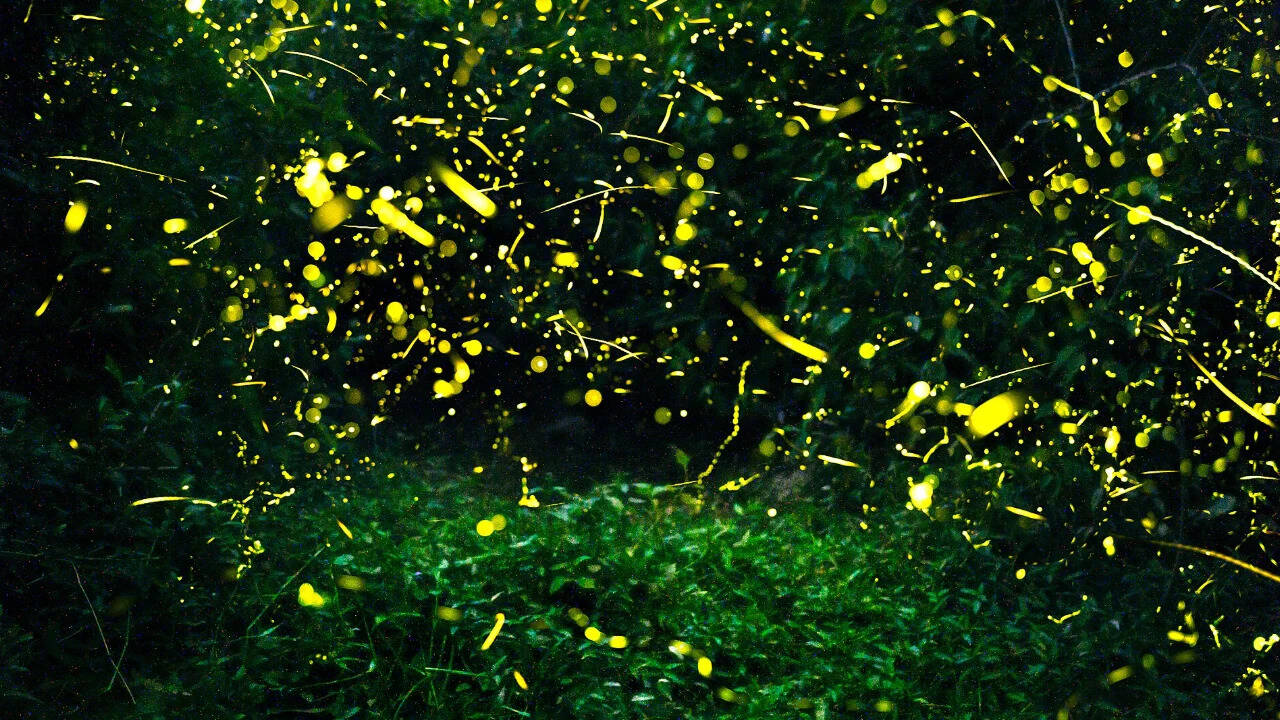
Instead of a generic white or yellow glow, these insects flashed a warm, distinct amber hue. When scientists analyzed the flash patterns and physical traits, they realized the ghost had returned. Populations were quietly surviving across swampy pockets of Delaware and Virginia without human permission or oversight.
Why Most People Misunderstand Rare Insects
When a rare animal vanishes, the public usually blames climate change or habitat destruction entirely. While those factors are brutal, they aren't the only reasons we lose track of tiny organisms.
Fireflies are notoriously difficult to survey. They have short adult lifespans, emerge only during specific weather windows, and often inhabit dense, difficult-to-reach wetlands that researchers rarely visit after dark. You can't count bugs by walking a neat trail at noon with binoculars.
Here is what actually happens in the field:
- Inaccessible Terrain: Most wetlands where these beetles thrive are thick with brush, mosquitoes, and standing water, meaning few humans ever step foot there at night.
- Bioluminescent Mimicry: Different species share overlapping territories, and distinguishing one amber flash from another requires specialized knowledge most casual hikers simply don't possess.
- Micro-Habitats: A population can survive in a single acre of protected private land while being completely extinct everywhere else in the state.
This discovery reminds us that absence of evidence is not evidence of absence. We simply aren't looking hard enough, in the right places, at the right times.
What This Means for Local Conservation
Finding a lost firefly doesn't mean we can relax our environmental standards. In fact, it raises the stakes. If these populations survived four decades of subtle habitat shifts, they are remarkably resilient, but they are also hanging by a thread.
Development doesn't announce itself politely. A new housing subdivision or a highway runoff channel can wipe out an entire micro-population in a weekend. Conservation groups now face a race against time to map these exact locations before real estate developers pave over them.
You can take practical steps if you want to help protect local insect populations in your own backyard:
- Turn off outdoor lights: Light pollution scrambles mating signals for fireflies, making it impossible for them to find each other in the dark.
- Stop using broad-spectrum pesticides: Chemical treatments in residential lawns wash directly into local watersheds where beetle larvae live and feed.
- Leave the leaves: Don't rake every square inch of your yard in the fall. Leaf litter provides essential cover for overwintering insects.
Nature is tougher than we give it credit for, but it still needs a break from our relentless expansion. Keep your porch lights off this summer, look closer at the dark edges of your local parks, and remember that not everything worth saving has already been found.