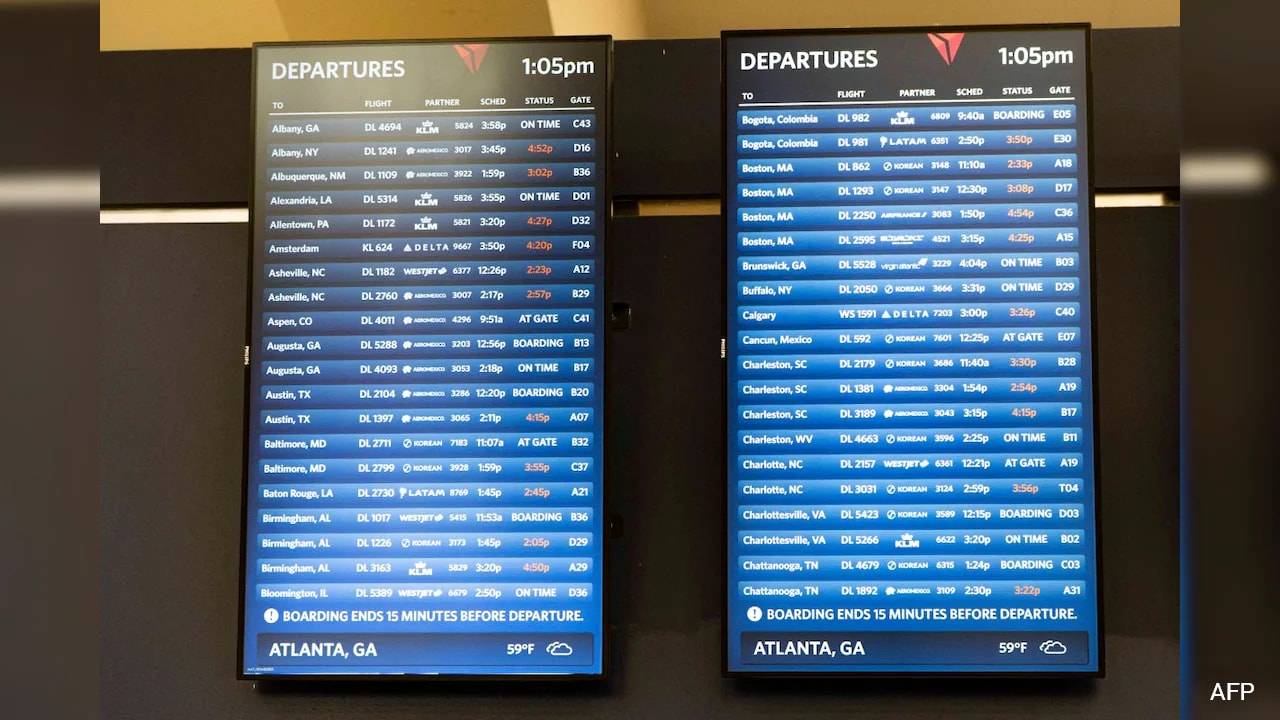
If you tried flying anywhere near the Thanksgiving travel rush, you probably already know how fragile modern air travel infrastructure actually is. Over one thousand Delta Air Lines flights faced severe delays after a critical automated system crashed, leaving passengers stranded at Hartsfield-Jackson Atlanta International Airport and airports nationwide.
The culprit wasn't bad weather or an air traffic control meltdown. It was a digital failure involving the airline's automated weight and balance system. When you strip away the corporate jargon, a system crash meant that dispatchers and flight crews had to temporarily calculate cargo, fuel, and passenger weight by hand.
What Actually Broke Behind the Scenes
Every single commercial aircraft has strict physical limits regarding how much weight it carries and how that weight is distributed. Go over those limits or mess up the center of gravity, and you compromise the structural integrity of the plane.
Airlines rely heavily on automated software to crunch these numbers instantly for every departing jet. When that software drops offline, flight operations don't just slow down—they slam into a brick wall. Delta crews had to switch to manual workarounds, double-checking loads with calculators and paperwork while planes sat idle at the gates.
Flight-tracking data from FlightAware showed that roughly 58 percent of Delta's schedule—amounting to some 2,000 delayed flights—ran late by Sunday evening. Even though Delta eventually restored the automation software and coordinated with the Federal Aviation Administration to clear gate congestion, the cascading schedule disruptions meant planes and crews were entirely out of position.
A Disturbing Trend in Aviation Technology
This incident isn't happening in a vacuum. It sits at the tail end of a brutal month for aviation technology. Just weeks prior, a major fault in the FAA's internal network triggered the longest nationwide ground stop in 25 years, grounding flights across the country for over four hours. Days after that, United Airlines suffered its own separate software outage that threw departures into chaos.
When critical infrastructure fails this frequently, it exposes a deeper systemic issue. Airlines and regulatory bodies rely on aging legacy software patched over with modern code, managed by lean teams operating under intense cost-cutting pressures. When peak travel windows like Thanksgiving arrive, these fragile systems buckle under the sheer volume of data transactions.
Passengers caught in the crossfire were told to look for rebooking options, meal vouchers, or hotel rooms, but vouchers don't fix lost holidays or missed connections.
How to Protect Yourself When Tech Fails Again
Tech glitches in commercial aviation are practically guaranteed to happen again. If you're tired of getting stranded by sudden system outages, you have to change how you book and manage your trips.
- Always book the first flight of the day. Morning departures leave before delays can cascade from earlier airports. If a system crashes overnight, you're much more likely to get out before the backlog builds.
- Never rely on tight connections. Give yourself at least a two-hour buffer on domestic layovers. When automation fails, tight connections turn into missed flights instantly.
- Keep airline apps updated and use direct channels. When chaos hits gate counters, physical lines stretch for hours. Rebooking through the mobile app often gets you a new itinerary before you even reach the front of the terminal queue.
- Know your passenger rights. Familiarize yourself with carrier commitments regarding cash refunds for canceled trips and mandatory meal or hotel coverage during controllable airline delays.
Aviation is marvelously complex, but the digital backbone keeping it airborne needs serious reinforcement. Until airlines invest in resilient infrastructure rather than bare-minimum maintenance, passengers will keep paying the price when the servers crash.