Why Spain Voting En Masse Against Pedro Sanchez Reshapes European Politics
Spaniards turned out in massive numbers on Sunday, November 29, 2026, in a snap election that looks set to end Prime Minister Pedro Sánchez's eight years in power. Voter participation surged near 79%, easily topping 2023's turnout. Behind those big numbers sits a simple truth: voters are furious about housing costs and ready to roll the dice on a new political order.
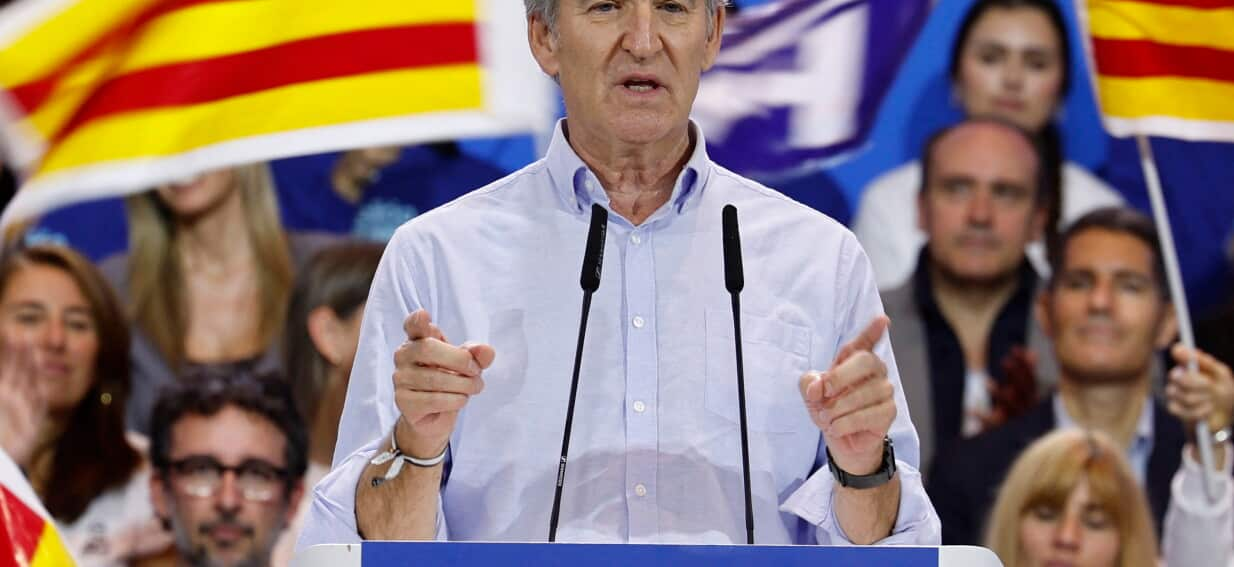
With the conservative People's Party (PP) led by Alberto Núñez Feijóo and the hard-right Vox party led by Santiago Abascal clearing the 176-seat mark in the 350-seat Congress of Deputies, Sánchez's Socialist Workers' Party (PSOE) faces an uphill battle to stay afloat. Even before all ballots were finalized, Sánchez conceded defeat to the PP, signaling a dramatic political U-turn in Madrid.
If the PP and Vox lock down a working coalition, it would bring a far-right party into Spain's national government for the first time since General Francisco Franco's dictatorship ended in the mid-1970s. That isn't just a domestic shake-up. It sends shockwaves through Brussels, Washington, and across a continent gearing up for major elections in France, Poland, and Italy.
How a Housing Blowup Triggered the Snap Vote
You can't understand this election without looking at what happened on Spain's streets and in its housing market over the past few months. Macroeconomic headlines boasted growth and job gains, yet millions of renters felt squeezed out of the cities they grew up in. Additional insights regarding the matter are detailed by NBC News.
Anger boiled over in September after the eviction of 87-year-old María del Carmen Abascal in Madrid following a steep rent hike by an investment fund—a flashpoint that sparked nationwide protests and her death two weeks later. By November, frustration escalated into mass demonstrations and a general strike on November 11 as tenants clashed with police and demanded real relief.
Why Parliament Deadlock Forced Sanchez's Hand
Sánchez's minority coalition tried to answer the crisis with emergency decrees targeting eviction bans, tourist-flat taxes, and lease rules. When the PP, Vox, and Junts voted down his housing package in Congress, the prime minister called an early election for November 29.
Honestly, it was a classic Sánchez gamble. He has built a career on high-wire political bets, and he hoped voters would blame the opposition for blocking tenant protections. Instead, voters focused on eight years of accumulated grievances, four years without passing a regular budget, and soaring living costs.
What Most Commentators Miss About the Right's Surge
A lot of coverage frames this vote purely as a backlash against progressive politics or a sudden love affair with the hard right. That misses half the story.
For decades after Franco, Spain had a stronger cultural taboo against far-right parties than many neighboring countries. Vox broke through in 2019, and now polls and partial counts show it surging to roughly 50 seats—giving Abascal serious leverage as a kingmaker alongside Feijóo.
Still, plenty of voters backing the right aren't ideological zealots. Many are pragmatic households who feel priced out of rent, frustrated by parliamentary gridlock, or uneasy about migration and public spending. Feijóo pitched himself as a steady, managerial conservative with 13 years governing Galicia, while Vox hammered hard-line immigration and anti-establishment themes.
The Coalition Trap Waiting for Feijoo and Abascal
Winning seats on election night is one thing. Governing together is another.
- Policy friction: Vox pushes aggressive crackdowns on immigration and cultural rollbacks, while the PP wants to project institutional stability and business confidence.
- Housing reality: Voters didn't just vote against Sánchez—they voted against unaffordable rents. Any PP-Vox government that fails to cool housing pressure quickly will face the exact same street anger.
- Regional balance: Spain's political map remains fragmented across regions with distinct identities and economic pressures.
What This Shift Means Beyond Spain's Borders
For years, Sánchez stood out as one of Europe's most vocal left-wing leaders, frequently clashing with conservative rivals and taking sharp stances on foreign policy, including tensions with the United States and Israel. A PP-led government—especially one leaning on Vox—is widely expected to recalibrate Madrid's tone in Washington and Brussels.
Europe is entering a dense electoral stretch with major contests ahead in France, Poland, and Italy. If a right-wing bloc consolidates power in Madrid on the back of cost-of-living anger, strategists across the continent will study the playbook closely.
Practical Next Steps for Following What Comes Next
Election night numbers set the stage, but the real power struggle happens in negotiations over the coming weeks. If you're tracking Spanish politics, business exposure, or European policy shifts, focus on concrete milestones rather than hot takes:
- Watch official seat tallies and Senate shifts: Confirm final Congress of Deputies and Senate totals from Spain's Interior Ministry and electoral authorities once all votes are verified.
- Track coalition talks between PP and Vox: Look closely at cabinet demands, policy compromises, and whether Vox insists on formal ministries or legislative backing.
- Monitor housing and budget moves: See how the incoming team addresses rental affordability, construction rules, and Spain's stalled budget cycle in early 2027.
- Follow EU and foreign policy signals: Pay attention to Madrid's early diplomatic statements on EU fiscal rules, migration policy, and transatlantic ties.